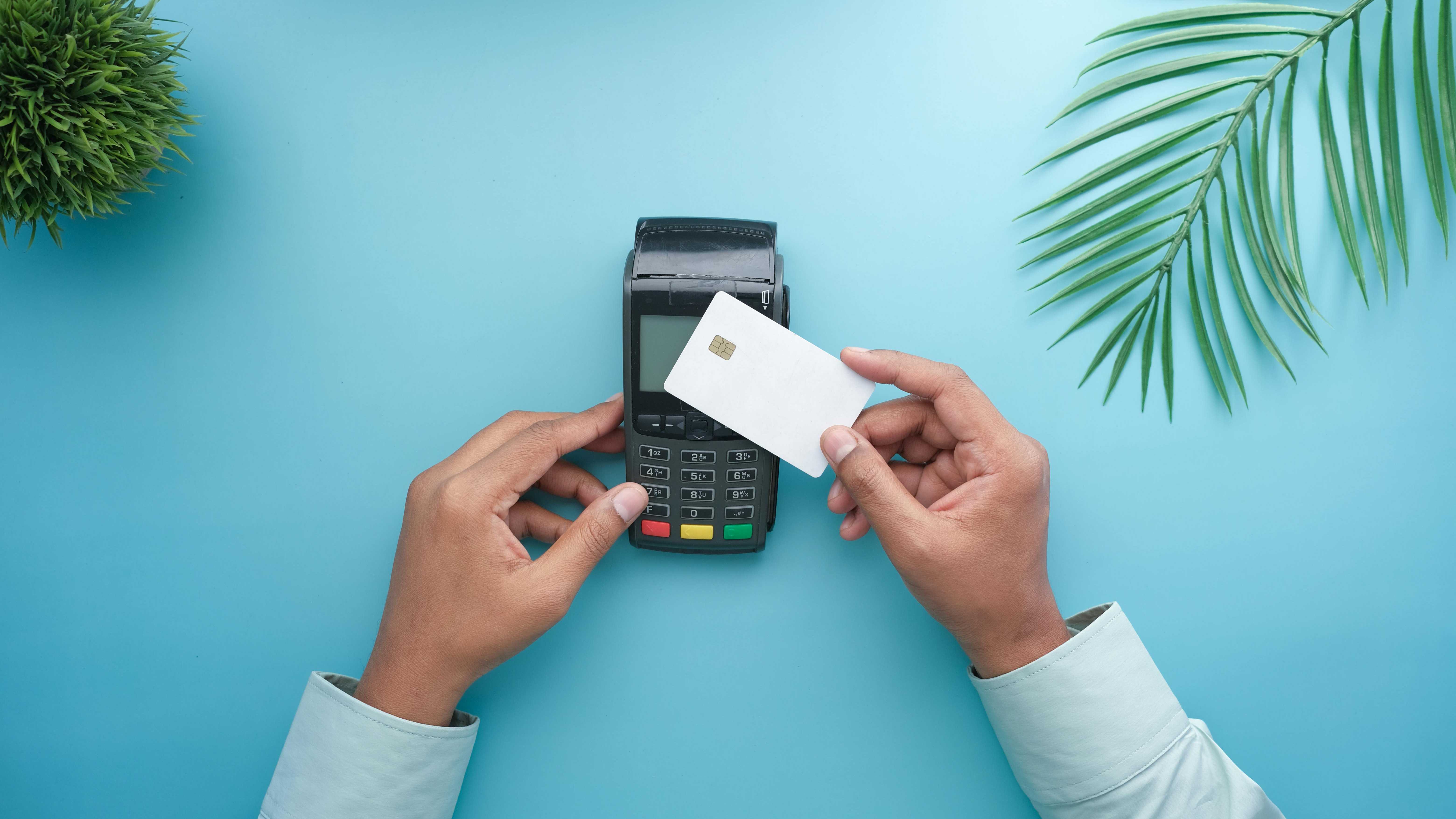

Last month I opened my banking app expecting a quiet Tuesday. Instead I saw fourteen debits under ₹100. Fourteen. None of them felt like "spending" when they happened — a chai tap, a parking UPI, a "just one episode" streaming top-up, a delivery fee that was cheaper than cooking. Each one took three seconds and zero guilt.
Added up? ₹1,840 in a single day I would have sworn was "basically free."
That's the ₹47 problem. Not the number itself — the psychology. We budget for rent, EMIs, and the big Swiggy night out. We do not budget for the spends that never register as spends. And modern UPI made those spends frictionless enough to multiply.
Why Your Brain Ignores Small Payments
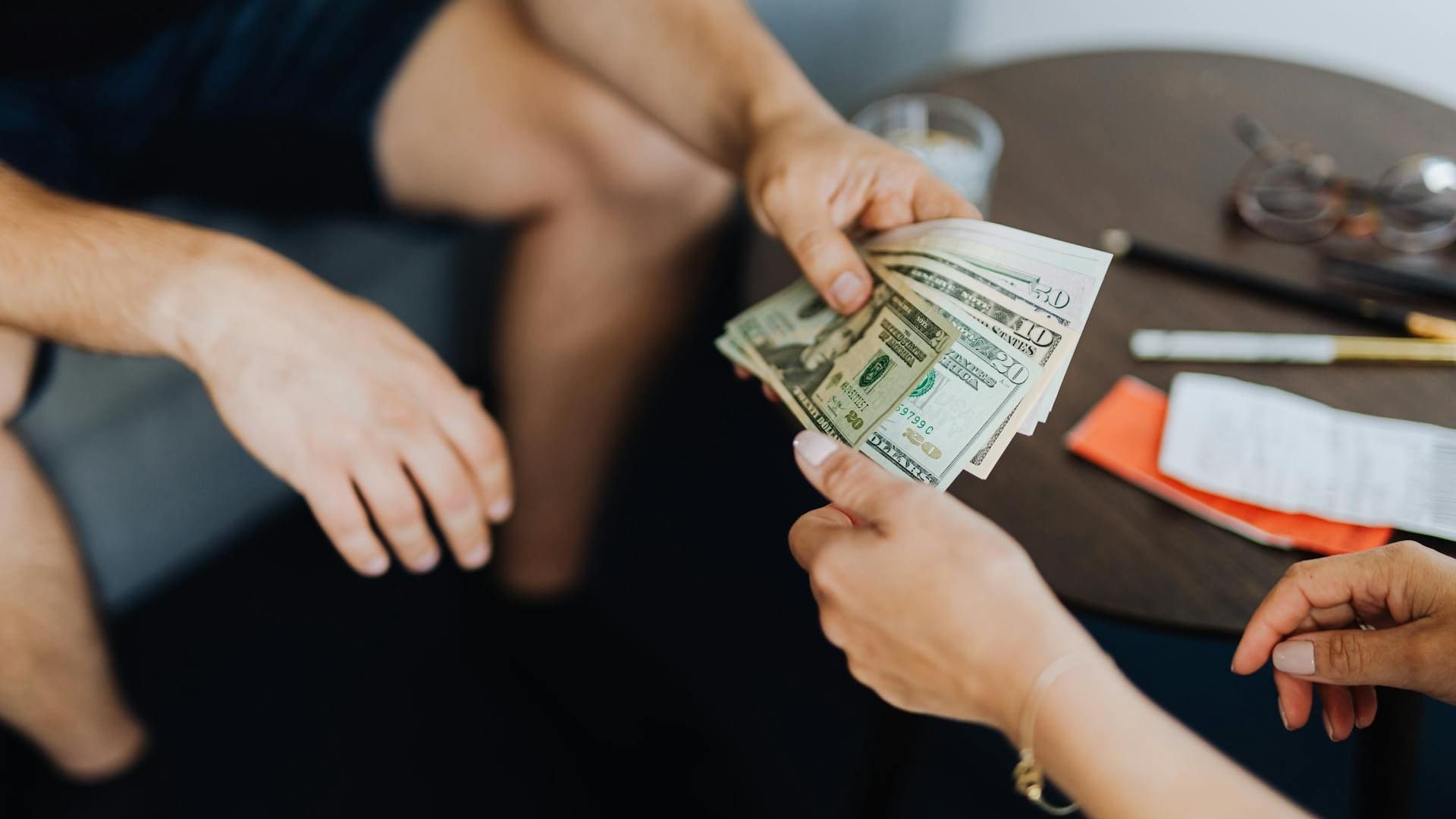
Behavioural economists call this pain of paying. Hand over ₹2,000 cash for groceries and you feel it. Tap ₹49 on your phone and the feeling never arrives — the money left your account, but your mind filed it under "miscellaneous," not "expense."
UPI apps are brilliant at making payment invisible. They're not built to show you the pattern across fifty misc payments. Your bank SMS does contain every one of those debits. The data is already there. You're just not aggregating it — because who has time to scroll 400 messages and add them in a calculator?
Where the Money Actually Hides
After talking to hundreds of Mera Kharcha users, the same micro-leaks show up again and again:
- Food delivery "add-ons" — delivery fee, packaging, tip, surge. The burger was ₹199; the total was ₹287.
- Autopay trials that forgot to cancel — ₹99/month × 3 apps you stopped using in week one.
- In-app purchases — game coins, premium stickers, extra cloud storage. Always priced just under ₹100.
- Quick commerce — "only missing milk" turns into ₹340 because minimum order and handling fees exist.
- Digital chai tax — tea, snacks, metro top-ups, parking. ₹20–₹60, five times a day.
Individually, none of these will ruin you. Together, they are often ₹4,000–₹8,000 per month — real money that explains why salary feels fine on the 5th and tight on the 22nd, even when you "didn't buy anything big."
The One-Minute Test (Try This Tonight)
Open your SMS inbox and search for "debited" or "spent" from the last 7 days. Count how many amounts are under ₹150. Don't judge — just count.
Most people hit double digits before they finish their morning coffee list. That moment — when you realise the volume, not the size, is the problem — is when tracking stops feeling like homework and starts feeling like relief.
How Mera Kharcha Turns SMS Noise Into a Clear Picture
This is exactly the gap Mera Kharcha was built to close. Not another app asking you to type "chai ₹40" after every tap. Your bank already texts you:
"INR 47.00 debited from A/c … UPI/…"
Mera Kharcha reads those messages on your phone, locally, sorts them by category and merchant, and rolls them into dashboards you can actually use — without bank login, without manual entry, and without your data leaving the device.
Here's what that means for you in practice:
- See micro-spend totals automatically — no spreadsheet, no end-of-month panic. Food delivery, shopping, subscriptions, and "uncategorised" taps are separated so patterns jump out.
- Spot subscription creep — that ₹99 autopay you forgot shows up every month in recurring spend, not buried in message 847.
- Compare weeks, not vibes — "I think I'm spending less" becomes "last week was ₹2,100 on delivery; this week is ₹890" — real numbers from real transactions.
- Keep big and small in one view — rent and EMIs sit beside the ₹47 taps, so you understand the full picture, not just the bills you remember.
- Get clarity in minutes, not hours — install, grant SMS permission, and your recent history builds itself from messages you already received.
What Users Do Once They See the Pattern
Knowing the total changes behaviour — gently. Nobody needs to quit chai. But when you see ₹3,200/month on delivery add-ons alone, you might cook twice more a week. When three ₹99 subscriptions stack to ₹297, you cancel the ones you forgot. When weekend "small" spends beat your gym membership, you pick a different default for Saturday night.
The win isn't austerity. It's intention. You're choosing spends instead of discovering them on the 28th.
The ₹47 Problem Isn't About Willpower
You don't need a stricter personality. You need a system that counts the spends your brain won't. Your phone already receives the receipts. Mera Kharcha just makes them readable — automatically, privately, and every day.
Salary day should not be a mystery by the 20th. The leaks are small. The fix is visibility.
See Your Real Spending — Free on Play Store